
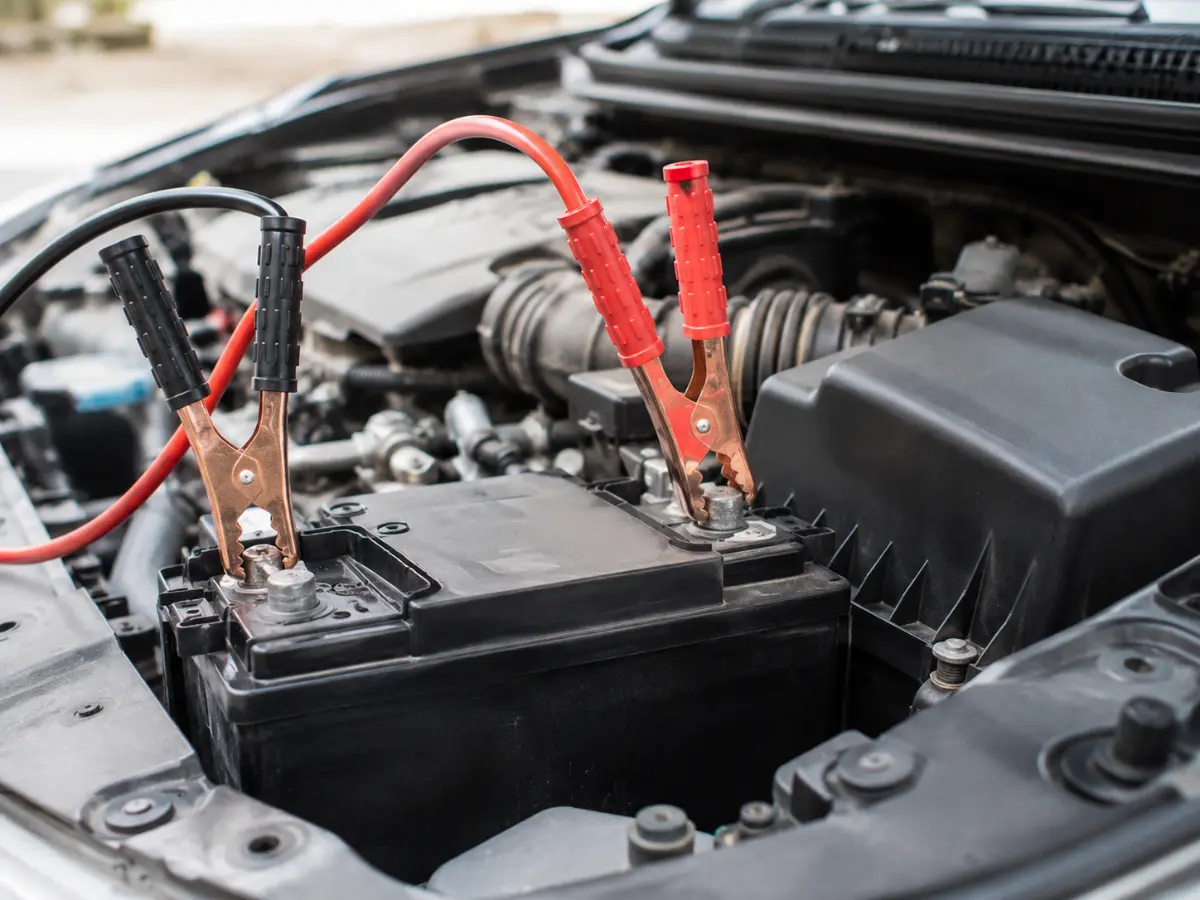
A flat battery can stop your day before it starts. Sometimes a simple jump start is enough to start your...
Your tyres are the only part of your car that makes contact with the road, which means they directly affect safety and performance, fuel economy, and comfort. Whether you’re looking to replace worn-out tyres or buy your first set of car tyres, knowing what to look for makes all the difference. This tyre buying guide covers everything you need to know about finding the right tyres for your vehicle, including types, tread depth, and when to replace them.

Performing a few car checks before a long drive can make all the difference between a smooth trip and a roadside breakdown. Proper car maintenance ensures that all parts of your vehicle are functioning efficiently, which reduces the risk of mechanical issues during long trips.
These car safety checks are not only about avoiding inconvenience; they also improve fuel economy and handling, ensuring your car is in top condition before you hit the road. By conducting these simple checks, you’re looking after your vehicle’s reliability and safety, both of which are essential for keeping your car running smoothly over long distances.
Your tyres play a critical role in the overall performance and safety of your vehicle. They provide grip, help you brake effectively, and influence how smoothly the car handles on dry and wet roads. Since tyres directly impact how your car behaves, choosing the right ones for your vehicle is vital.
The tyres on your car are designed to support the weight of the vehicle and absorb shocks from uneven UK roads. Regular tyre checks help prevent issues like punctures and overinflated tyres, which can affect handling and increase wear. Well-maintained tyres not only improve safety but also contribute to better fuel efficiency and a more comfortable ride.
How long tyres last depends on factors such as driving style, road conditions, and maintenance. Most regular car tyres last between 20,000 and 40,000 miles, but this can vary. Frequent city driving or aggressive cornering can wear them out faster.
You’ll need to replace your tyres once the tread depth falls below the legal limit of 1.6mm. Driving with worn tyre tread is dangerous, it’s illegal to drive with insufficient tread, and it dramatically reduces grip on wet weather roads. A quick way to check is to insert a coin into the grooves; if the outer band of the coin is visible, it’s time for a new set.
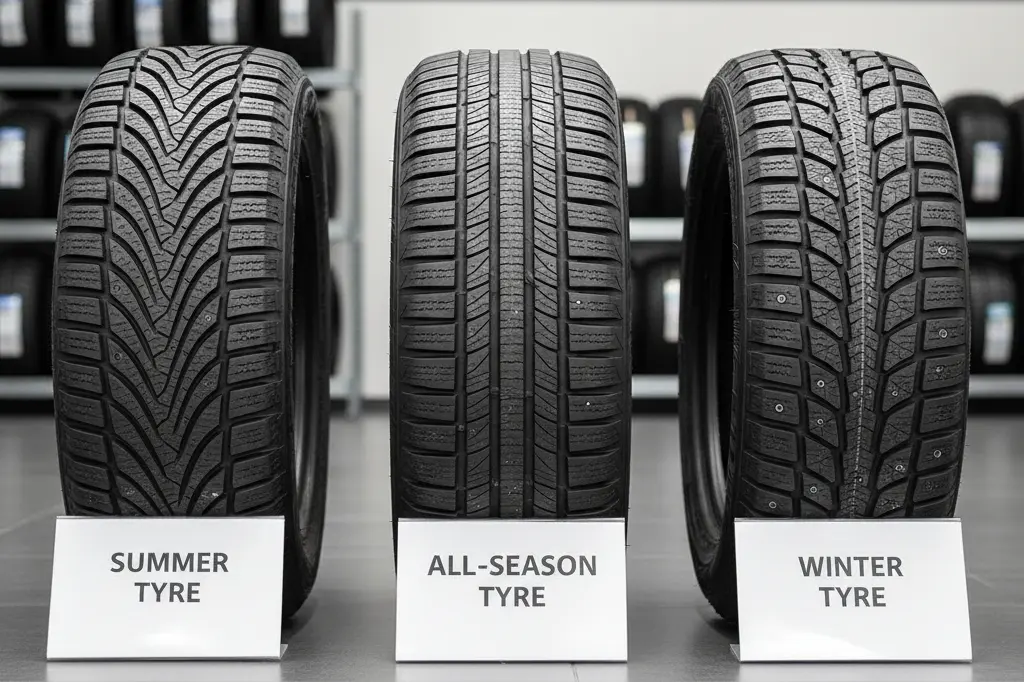
There are several types of tyres available, each designed for specific conditions and vehicles. Summer tyres perform best in warmer climates, offering superior grip and control on dry and wet roads. Winter tyres also provide excellent traction in cold, icy, or snowy conditions, making them a good investment if you drive in harsh weather.
For year-round versatility, all-season tyres combine the features of both summer and winter tyres, providing balanced performance levels in moderate conditions. Choosing suitable tyres for your vehicle depends on where and how you drive, so it’s worth consulting a local tyre specialist for advice.
Your tyre’s tread is crucial for channelling water away and maintaining grip. Shallow tread depth reduces braking efficiency and increases the risk of aquaplaning. To ensure safety and performance, check your tread depth regularly using a gauge.
Tyres are designed with unique tread patterns to handle different road conditions. For example, deeper tread provides better control in rain or snow, while low-profile performance tyres deliver sharper handling on dry roads. Always make sure your tyres have sufficient tread depth before a long trip or during seasonal changes.
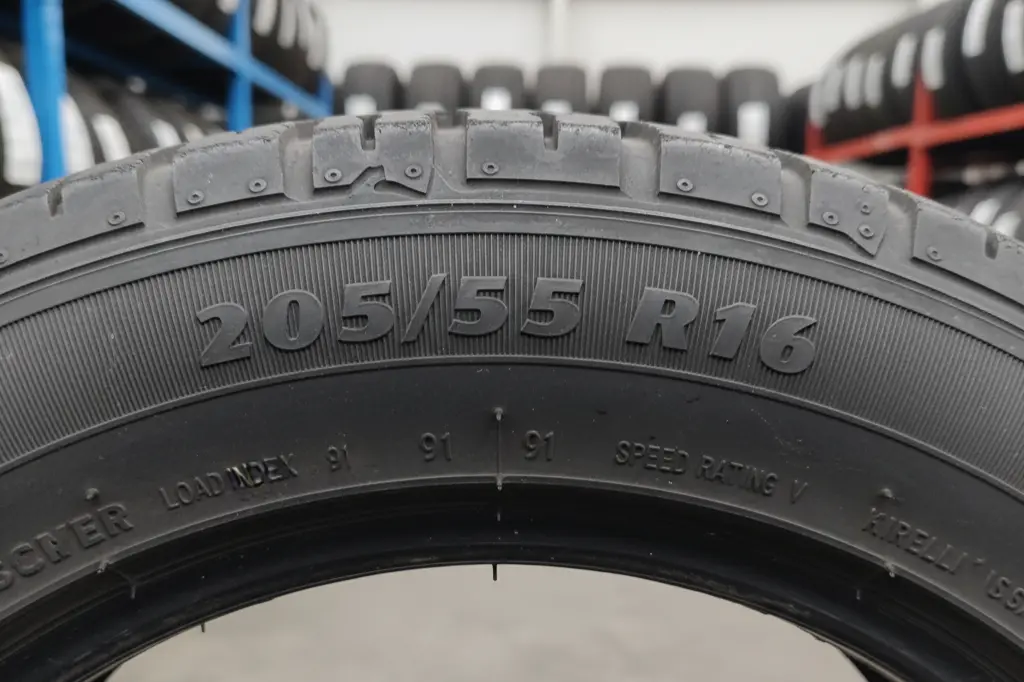
Selecting the right size is one of the most important parts of buying new car tyres. You can find the tyre size printed on the sidewall; it looks something like “205/55 R16”. This combination represents the width, height ratio, and wheel diameter. Installing the incorrect tyre size can affect speed readings, fuel use, and safety and performance.
When buying new car tyres, refer to your vehicle handbook or speak to a trusted tyre retailer for the recommended tyre options. Always ensure new tyres fitted match your existing front and rear tyres in size and specification. Getting the fit right improves handling and ensures even tyre wear across all wheels.
Choosing between summer or winter tyres depends on your driving environment. In the UK, summer tyres are ideal for most of the year, offering excellent grip and precision steering. However, when temperatures drop below 7°C, winter tyres perform significantly better.
Winter tyres also use softer rubber compounds and deeper tread patterns to maintain grip on ice and snow. If you live in an area with mild winters, all-season tyres might be a more convenient choice. They’re designed to perform reliably year-round, reducing the need for seasonal changes while still offering balanced safety and performance.
Maintaining the correct tyre pressure is vital for safety, comfort, and fuel efficiency. Overinflated tyres can cause uneven wear and poor grip, while underinflated ones increase rolling resistance and fuel consumption. Use a reliable pressure gauge to keep your tyres within the recommended tyre pressures listed in your vehicle handbook.
A quick tyre check once a month or before long drives helps prevent premature tyre wear. Remember to check the spare tyres too, as they can lose pressure over time. Proper tyre pressure ensures even wear, improves handling, and reduces the likelihood of a puncture during your journey.
When buying tyres, it’s tempting to go for the cheapest option. Budget tyres can be cost-effective for light use, but they often compromise on performance and safety. Premium tyre brands like Goodyear offer advanced technology and longer lifespan, making them a better investment for regular drivers.
However, not all budget tyres are poor quality. Some reputable tyre brands provide excellent mid-range options that balance price and performance. When deciding, think about your vehicle and driving habits; frequent motorway travel or heavy loads may justify spending more on a higher-grade set of tyres.
Run-flat tyres are designed to keep you moving even after a puncture, allowing you to drive a short distance to safety or a local tyre shop. They’re common on modern vehicles and can be a great safety feature, but they may offer a firmer ride compared to regular tyres.
If you’re after enhanced handling and cornering, performance tyres are built for maximum grip and responsiveness. These tyres often feature a low-profile tyre design with reinforced sidewalls for stability at higher speeds. However, they may wear faster than standard tyres, so routine inspections and tyre checks are important.
There are a few things to consider when choosing suitable tyres for your vehicle. Always check the tyre size, load rating, and speed index. Think about your driving style, road conditions, and climate. If you’re uncertain, your tyre retailer can help you choose the correct tyres and ensure they’re properly fitted.
You’ll also want to consider your budget and how long you plan to keep your vehicle. Buying new tyres is a long-term investment, so go for the most suitable tyres for your vehicle rather than the cheapest option. Once you have your new set of tyres, perform regular tyre checks to keep them in great shape.
A flat battery can stop your day before it starts. Sometimes a simple jump start is enough to start your...

A motorway breakdown on the M60, M62 or M56 can feel frightening, especially when traffic is moving at 70mph. Whether...

Planning a summer road trip from Manchester can be one of the best ways to explore the UK, enjoy scenic...

For car dealers, moving stock quickly is essential to maintaining cash flow and keeping forecourts full of fresh inventory. Whether...
Get in touch with our friendly team whether you’re a car-trader or someone in need, we’re here to help!
0161 524 1047
hey@kmxrecovery.co.uk