
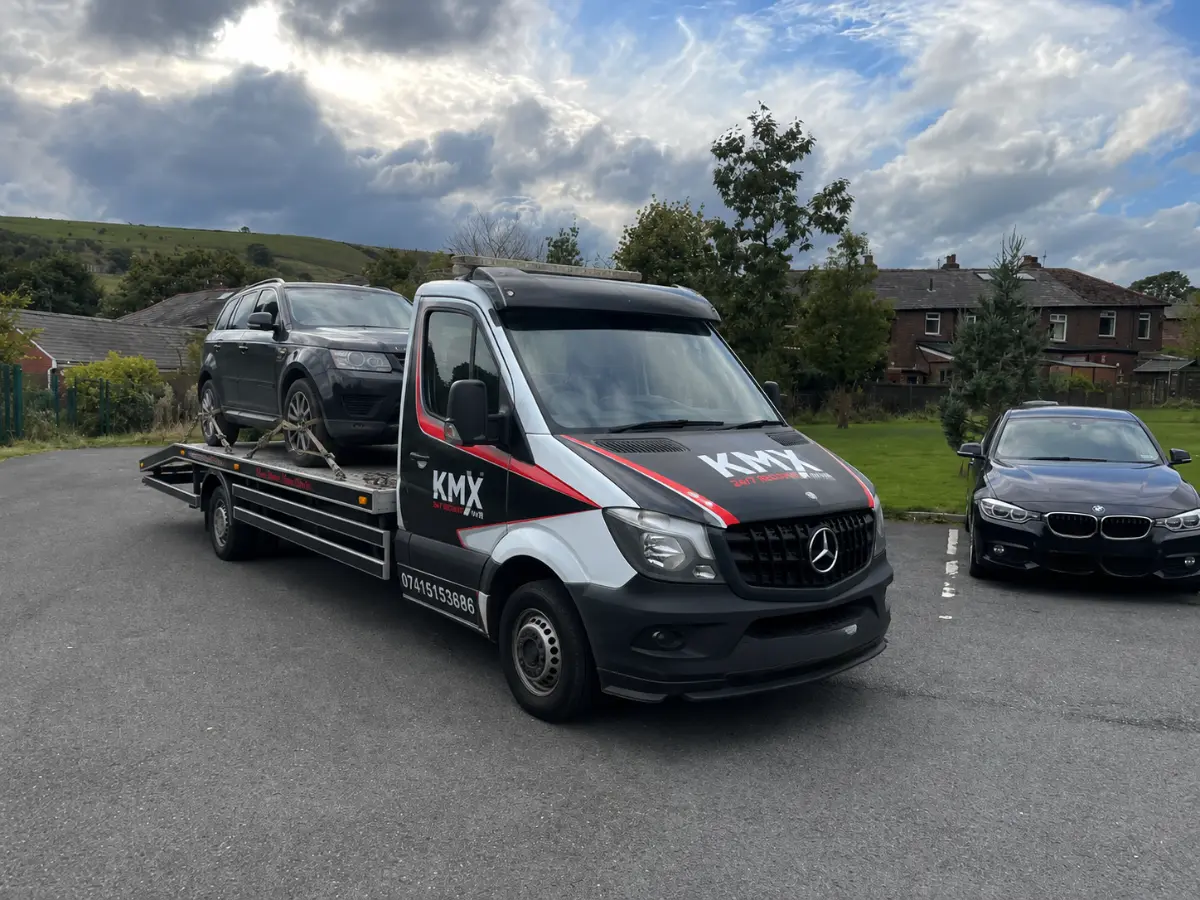
A breakdown can leave you stranded at home, on a busy road or miles away from your planned destination. Choosing...
A breakdown can leave you stranded at home, on a busy road or miles away from your planned destination. Choosing the right car recovery option in advance can reduce stress, limit downtime and help you deal with the situation safely.
This guide explains the main choices for breakdown cover and pay-as-you-go recovery in Stockport. It also covers roadside support, vehicle transport, response times, pricing and what happens when your car cannot be repaired at the scene.
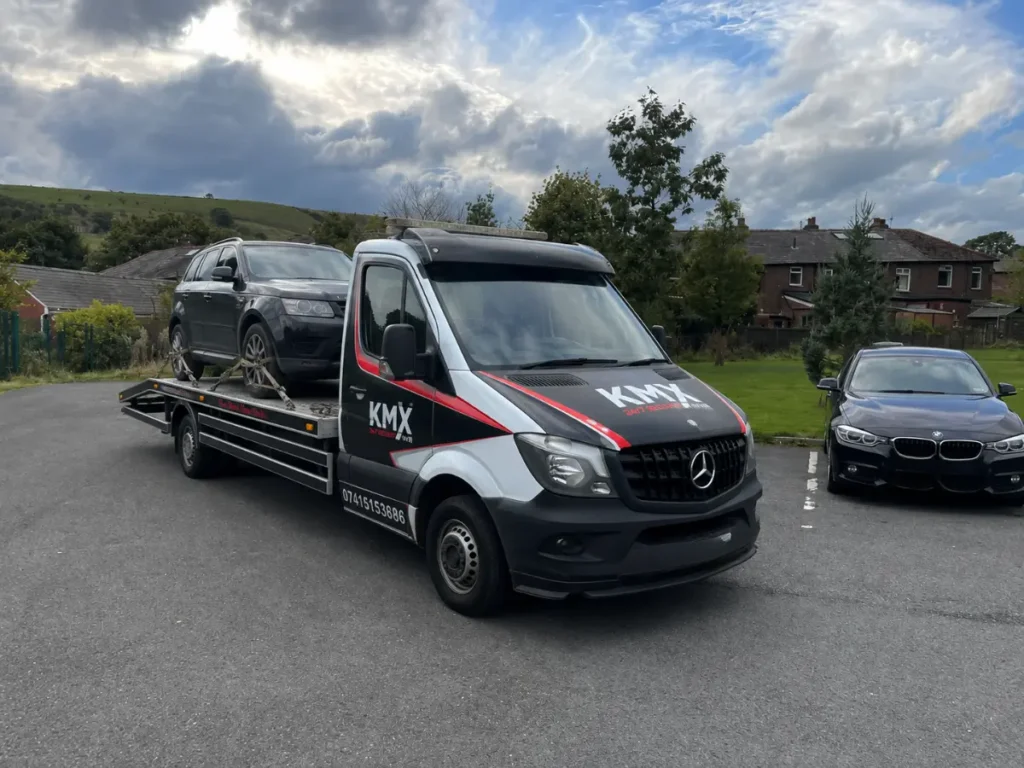
A reliable breakdown recovery service should be easy to contact, clear about its pricing and capable of handling different types of vehicle problems. When you are stranded, you need a recovery team that can understand your location, assess the situation and send appropriate equipment.
Local knowledge is particularly valuable when arranging recovery in Stockport. An experienced operator will be familiar with major routes, residential areas, business parks and difficult access points across Stockport and the surrounding locations. This can help the driver find you more efficiently, especially when road names or postcodes are unclear.
The service should also be able to explain what will happen before arrival. Depending on the fault, the vehicle may be repaired on-site, given a jump-start or transported to a garage. Clear communication gives you peace of mind and helps you prepare while waiting for help.
Breakdown cover is an insurance-style service that normally requires monthly or annual payment. Your breakdown cover policy may include roadside support, recovery to a nearby repair centre, home assistance and other benefits. The exact service depends on the provider and the policy selected.
Pay-as-you-go car recovery is different because you only arrange and pay for help when the vehicle breaks down. This may suit drivers who do not want an annual agreement or who rarely travel long distances. However, the cost is paid at the point of need, and availability can depend on location and the time of day.
There is no general legal requirement to purchase breakdown cover in the United Kingdom. The right choice depends on how often you drive, the age of your car, the journeys you make and how much protection you want. Drivers who need breakdown support regularly may prefer a policy, while others may choose local car recovery when required.
The levels of breakdown cover can differ considerably between providers. Basic vehicle cover normally includes roadside assistance when the car cannot continue its journey. If the technician cannot complete a repair, the policy may include a tow to the nearest suitable garage.
A higher level of cover may include recovery to a destination of your choice, such as your home address or the garage of your choice. Some policies provide nationwide breakdown support and can transport your vehicle anywhere in the UK, subject to their conditions and distance limits.
Additional options may include onward travel, accommodation or replacement transport for the driver and each passenger. Some policies are linked to a specific vehicle, while others cover the named person when driving different cars. Check whether the policy includes unlimited call-outs, as some plans may restrict how often help can be requested.
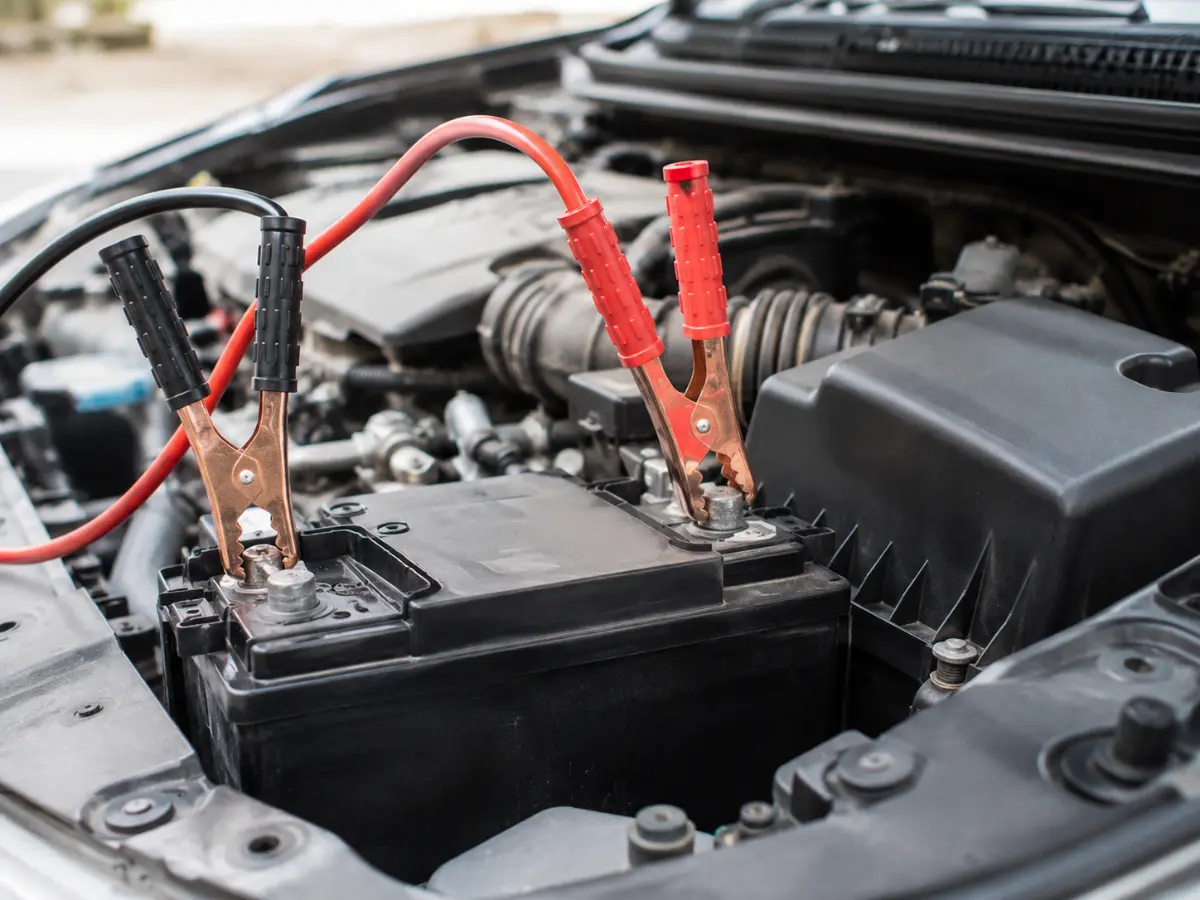
When roadside assistance reaches you, the operator will assess the problem and decide whether the vehicle can be made safe to drive. Common issues include a flat battery, damaged tyre, lost car keys, warning lights or a minor mechanical fault.
Simple problems may be resolved at the roadside. For example, the operator may complete a jump-start, help with a puncture or carry out a temporary repair. The aim is to get back on the road without needing to transport the car, but this is only possible when the work can be completed safely.
If the vehicle cannot be fixed, the operator will discuss the next step. This may involve taking the vehicle to a garage or arranging a more suitable recovery truck. It is important to describe the fault accurately when calling because a van with basic roadside equipment may not be suitable for every situation.
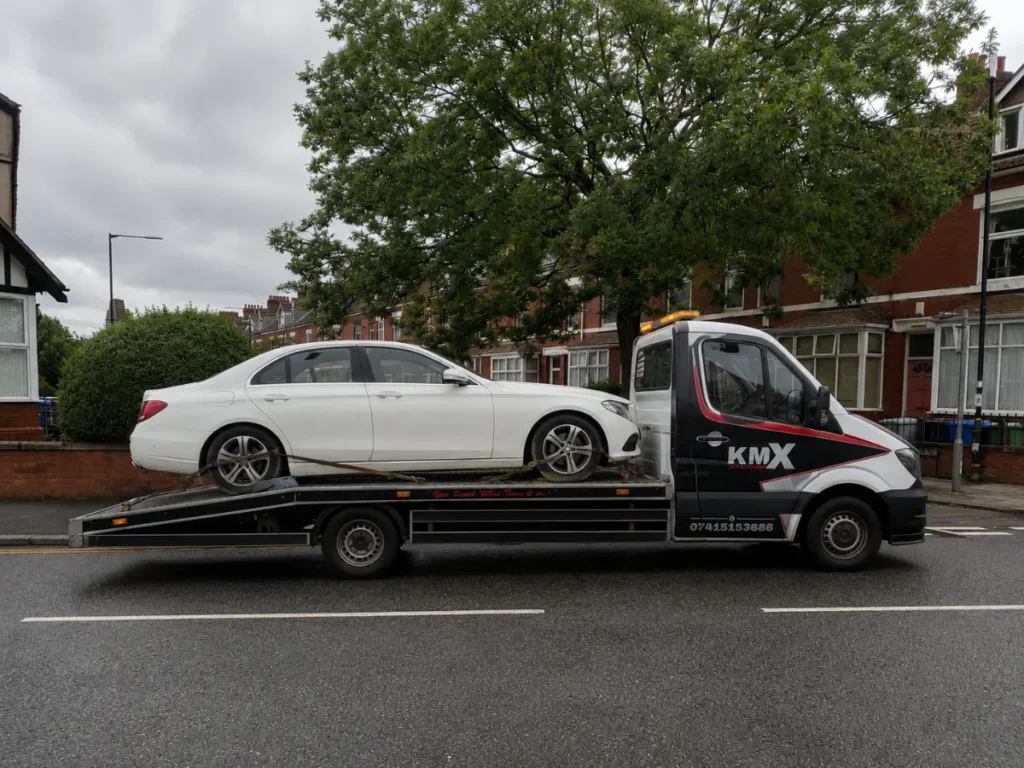
Vehicle recovery is normally required when a car cannot be safely repaired where it stopped. Serious engine problems, damaged suspension, brake failure and accident damage are common reasons for arranging a tow.
The recovery method depends on the condition and size of the vehicle. Some cars can be loaded onto a standard flatbed, while others may require a low-loader or winch. A vehicle recovery service may also need specialist equipment for locked wheels, damaged steering or restricted access.
Car recovery can also be used for vans, motorcycles, four-wheel-drive vehicles and certain caravan combinations. When booking, provide the make, model, approximate weight and condition of the vehicle. This allows the operator to send equipment that can transport your vehicle quickly and safely without causing further damage.
Response times depend on several factors, including traffic, weather, demand, distance and the nature of the incident. A local recovery service may be able to provide a prompt call-out, but an exact arrival time cannot always be guaranteed.
Busy periods, road closures and severe weather can delay car recovery. Location also matters. Reaching a car in central Stockport may be easier than locating a vehicle on an isolated country road, private site or inaccessible car park.
When calling, provide the postcode, road name, direction of travel and nearby landmarks. Keep your phone available because the driver may need further directions. A round-the-clock service that operates 7 days a week can be particularly valuable when the vehicle breaks late at night, early in the morning or during a bank holiday.
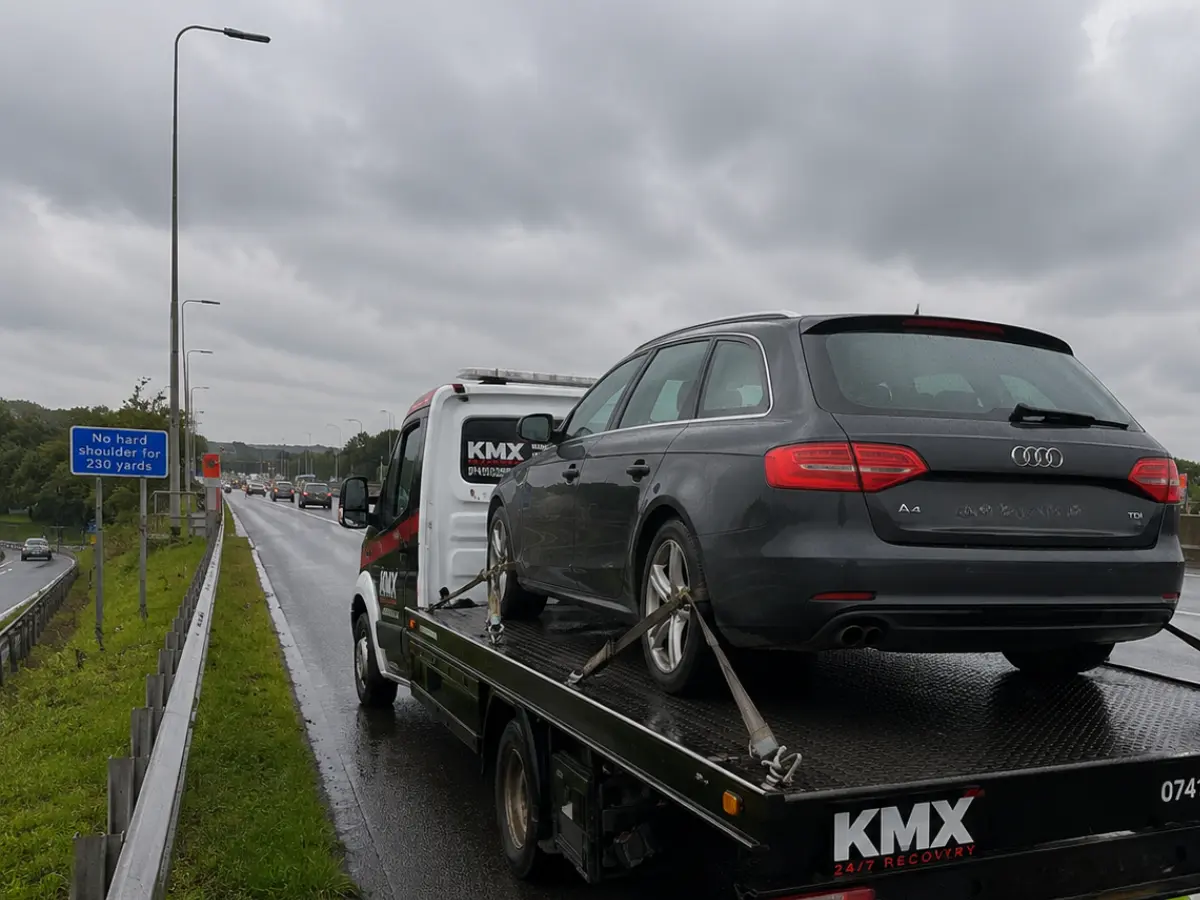
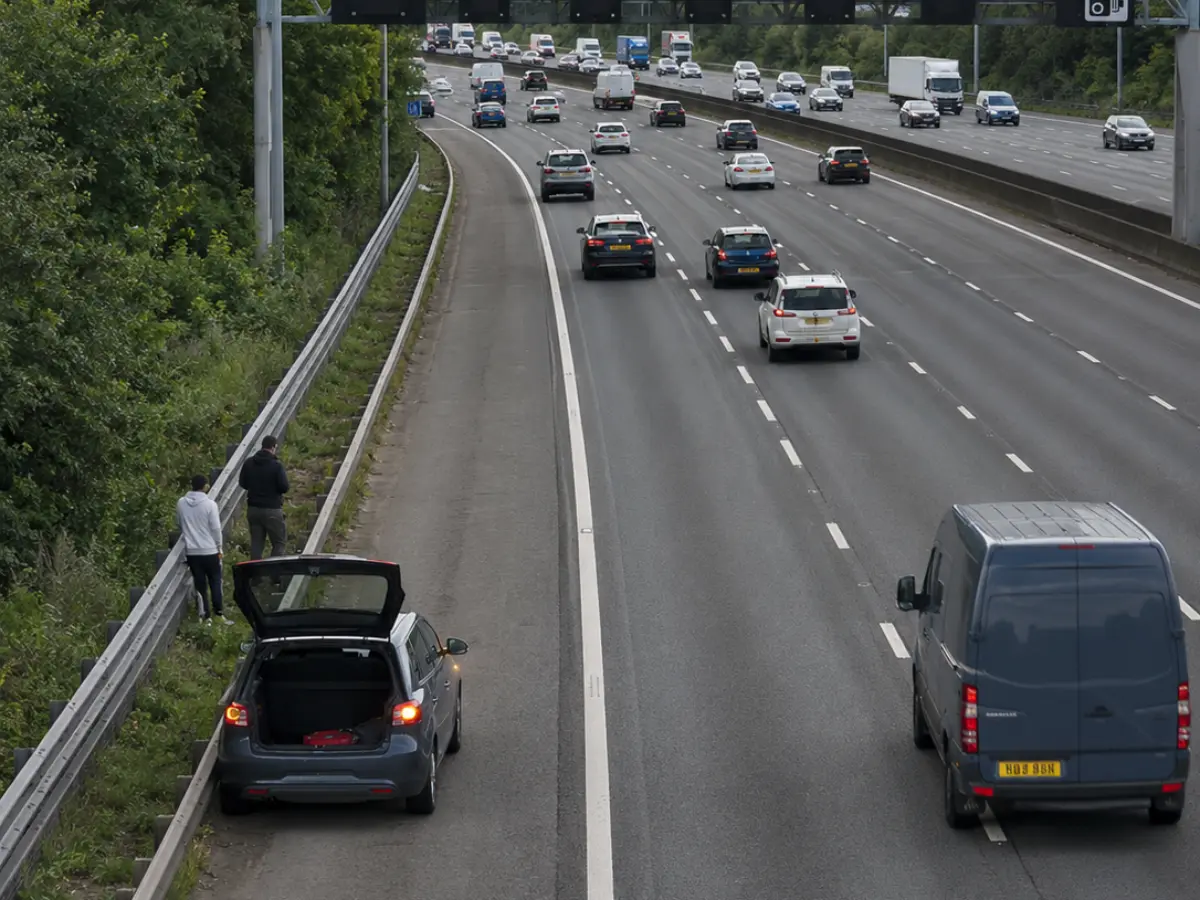
A breakdown on a motorway requires additional caution because traffic is travelling at high speed. Where possible, move into an emergency area or onto the hard shoulder, switch on your hazard lights and leave the vehicle from the side furthest away from traffic.
Wait behind a safety barrier and contact the appropriate emergency service if you are stopped in a dangerous position. When arranging car recovery, provide the motorway name, direction of travel, nearest junction and any marker information you can see.
Car recovery is also available when a vehicle breaks down on a rural or country road. These locations may be more difficult to find, so precise directions are important. Share your live location where possible and mention narrow lanes, locked gates, soft ground or access restrictions that could affect the recovery truck.
If a repair cannot be completed at the scene, the vehicle may be transported to a local garage. This is often the most practical choice when the fault needs further inspection, replacement parts or specialist diagnostic equipment.
Depending on the service booked, you may be able to choose another destination. Some providers will take the car to your preferred repair centre, dealership or home address. Long-distance transport may also be available anywhere in the UK, although this should be confirmed before the journey begins.
Discuss the destination when arranging the recovery rather than waiting until the truck arrives. The distance affects pricing, travel time and availability. It is also helpful to contact the receiving garage in advance to confirm that it is open and willing to accept the vehicle.
Car recovery pricing is usually based on the callout location, towing distance, vehicle type and the equipment required. The final price may also be affected by traffic, access restrictions and whether the incident happens outside normal working hours.
Ask what the quotation includes before confirming the booking. Some operators charge a fixed local fee, while others use a base callout cost plus mileage. Additional charges may apply for winching, accident-damaged cars, locked wheels, waiting time or difficult recovery conditions.
A trustworthy provider should explain the expected cost clearly. Be cautious if the operator refuses to discuss fees or gives a price that seems unclear. Providing accurate information about the fault and location helps the company prepare a realistic quote and reduces the chance of unexpected costs.
Start by checking whether the provider covers your location and the type of vehicle you drive. Some companies focus on local car recovery, while others provide longer-distance transport and nationwide support.
Look for a professional operator with a fully trained and experienced team. They should ask relevant questions, provide a clear estimated arrival time and explain the recovery process. Suitable insurance and correctly maintained equipment are also important when your car is being loaded and transported.
The best option depends on your circumstances. A driver with regular long-distance journeys may benefit from comprehensive breakdown cover, while someone travelling mainly around Stockport may prefer a dependable local provider. Whichever option you choose, save the contact details before you need breakdown assistance so you are not searching for help during an emergency.
A breakdown can leave you stranded at home, on a busy road or miles away from your planned destination. Choosing...
A breakdown can happen without warning, whether you are driving through Bolton town centre, travelling on the M61 or leaving...
A flat battery can stop your day before it starts. Sometimes a simple jump start is enough to start your...
A motorway breakdown on the M60, M62 or M56 can feel frightening, especially when traffic is moving at 70mph. Whether...
Get in touch with our friendly team whether you’re a car-trader or someone in need, we’re here to help!
0161 524 1047
hey@kmxrecovery.co.uk