
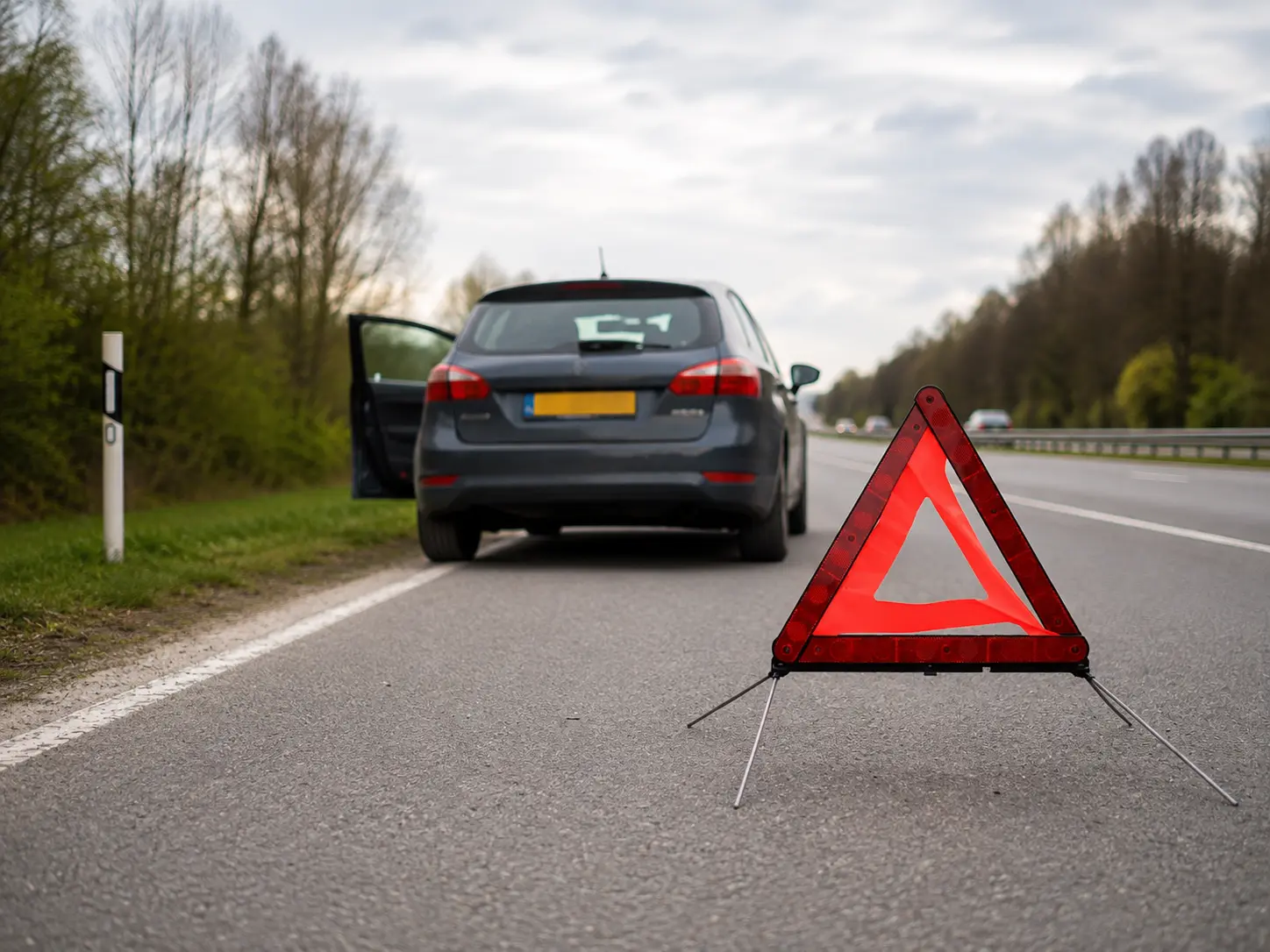
When your car breaks down on a high speed road, your immediate decisions can make a significant difference to your...
A flat battery can stop your day before it starts. Sometimes a simple jump start is enough to start your car and get moving again. Other times, the battery is too weak, too old, or too damaged, and a full battery replacement is the safer option.
This guide explains the difference between a jump start and battery replacement, how to recognise the warning signs, and when you should stop trying to restart the car and get professional help. If your car won’t start, this article will help you understand whether you need a quick battery jump or a new battery.
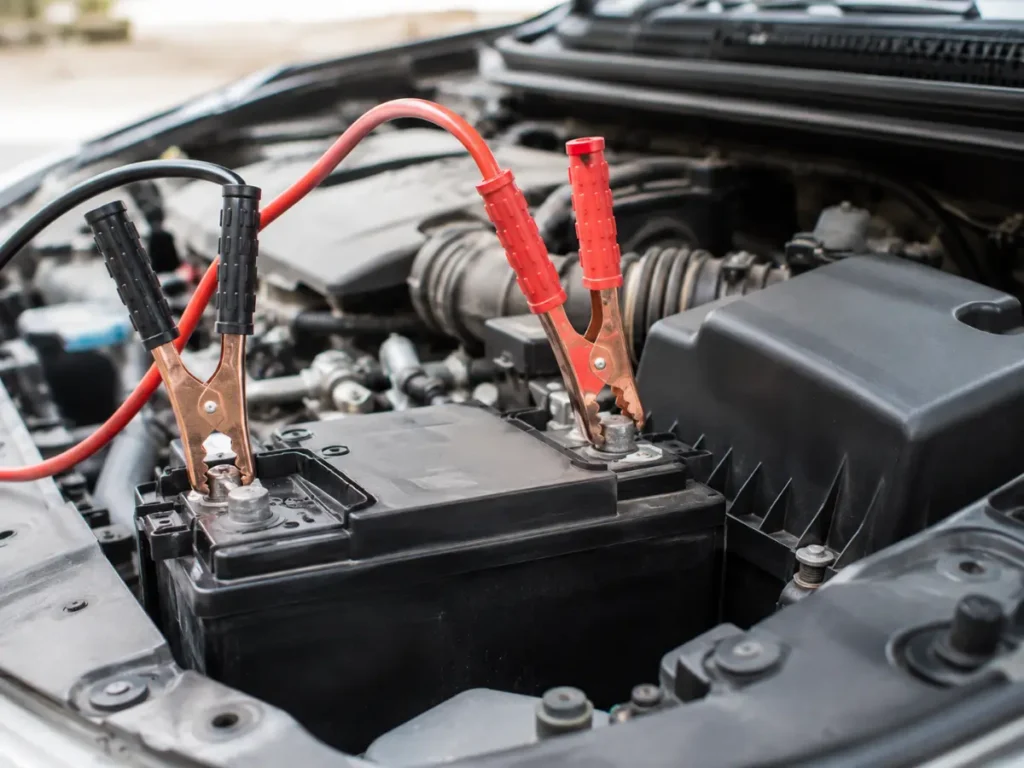
Car batteries go flat for several common reasons. Leaving lights on, short journeys, cold weather, long periods without driving, and alternator issues can all drain the battery. A flat battery does not always mean the battery is finished, but it does mean the vehicle needs attention before it can be used normally again.
A dead battery may still be recoverable if it has simply lost charge. However, an old battery that keeps failing may no longer hold enough power to start the engine. This is where the difference between a jump start and battery replacement becomes important.
A jump start uses power from another vehicle, a battery booster pack, or a portable jump starter to help start your vehicle. It gives the dead car enough temporary power to turn the engine over.
A jump start is a temporary solution. It can start the car, but it does not repair the battery. Once the car starts, the alternator should help recharge the battery while the engine is running. If the battery cannot hold charge, the same problem may return.
A jump start may be enough if the battery went flat because of a simple mistake, such as leaving a light on overnight. If the car starts after a few tries and continues running normally, the battery may only need recharging.
After you’ve jump started your car, drive for long enough to give the battery time to recover. Short journeys may not charge the battery properly, so the car may struggle again later. If the issue does not return, a battery replacement may not be needed straight away.
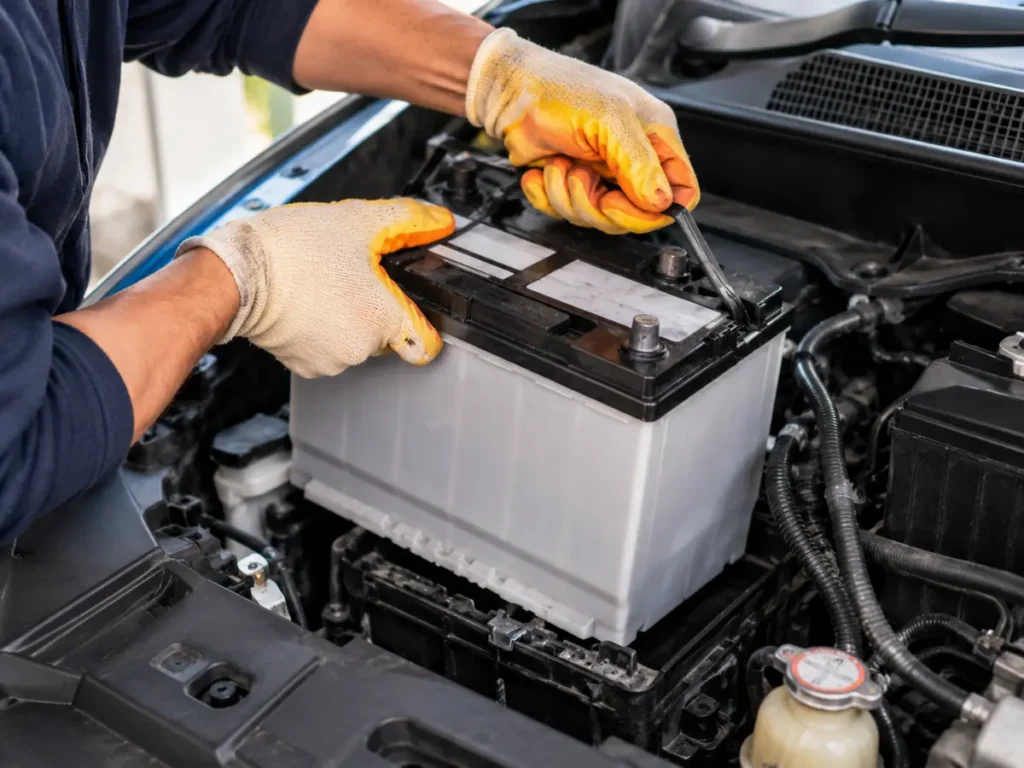
You may need battery replacement if the battery is old, weak, leaking, swollen, or repeatedly failing. Most car batteries become less reliable with age, especially if the vehicle is used for short trips or left parked for long periods.
A new battery is usually the better option if the car needs repeated jump starts, the lights are dim, the engine turns slowly, or the battery warning light appears. In these cases, a jump start may get the car moving temporarily, but a full battery replacement is likely to be the long-term fix.
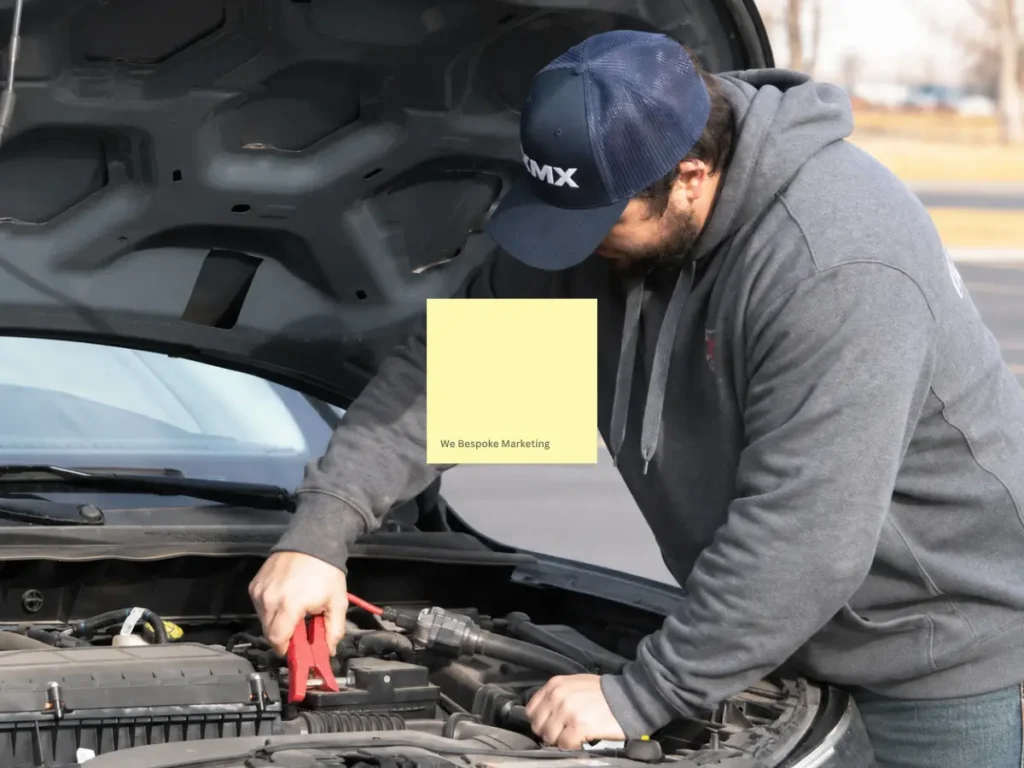
To jump start a car safely using jump leads, you need a car with a working battery and the correct cable connection order. First, make sure both vehicles are switched off and parked safely. The red jump lead should connect to the positive terminal of the dead battery, then to the positive terminal of the working battery.
Next, connect the black jump lead to the negative terminal of the working battery. The final black connection should usually go to a solid metal surface on the car with the dead battery, away from the battery itself. This helps reduce spark risk near the battery.
Once connected, start the working car and let it run for a few minutes to give the battery some charge. Then try to start the car with the flat battery. If the car should start but doesn’t start after a few attempts, stop and seek help rather than continuing.
Once the car starts, remove the jump leads in the reverse order. Start with the black jump lead connected to the metal surface, then remove the black lead from the working battery.
After that, remove the red jump lead from the working battery, followed by the red lead from the car with the dead battery. Keep the clamps apart and avoid touching metal surfaces while removing them. Let the car running for a while so it can begin to recharge the battery.
Jump leads need a different vehicle with a good battery. They transfer power from one battery to another, allowing you to start the car with the dead battery.
A battery pack, portable battery pack, or battery booster pack does not require another vehicle. You connect the lead from the battery pack to the correct terminals and use the stored charge to start the vehicle. This can be useful if you are parked somewhere awkward or there is no other car nearby.
Repeated jump starts are a warning sign. If you need to jump start your car again and again, the battery may not be holding charge properly.
Trying to force life into a weak battery can put strain on electrical components and may damage the battery further. A jump start is useful in an emergency, but repeated use usually means you need to replace the battery or test the charging system.
If the car starts and then cuts out shortly afterwards, the issue may not only be the battery. The alternator may not be charging correctly, or there may be another electrical fault.
If the vehicle’s battery was fully charged recently but keeps going flat, it is worth checking the alternator and charging system. A drained battery can be a symptom of a bigger issue, not always the main fault itself.
Jump starting a car in the rain can be possible, but extra care is needed. Keep the jump leads, battery terminals, and hands as dry as possible. Avoid standing in deep water and do not use damaged cables.
If you are unsure, it is safer to call a recovery service. Battery work involves electrical systems, and incorrect connections can cause sparks, damage, or injury. Never attempt to jump start a hybrid or electric car as this could cause serious damage unless the manufacturer’s guidance clearly allows it.
Yes, you can start a car without a different vehicle if you have a battery charger, portable jump starter, or booster pack. A battery charger is better for slowly charging a weak battery at home, while a portable jump starter is designed for roadside use.
If the battery is completely dead, some smaller devices may not have enough power. In that case, a professional battery test can confirm whether the battery can be charged or whether battery replacement is needed.
A battery test checks whether the battery can still hold charge and deliver enough power to start the engine. A mechanic or roadside technician can use a battery tester to measure battery health.
A healthy battery should recover after charging and continue to start your car reliably. If the test shows poor condition, low capacity, or internal failure, a new battery is usually recommended.
The choice between jump start or battery replacement depends on the condition of the battery and how often the problem happens. If the battery is flat because lights were left on, a jump start may be enough.
If the battery is old, the car needs repeated jump starts, or the battery test fails, replacement is the better choice. A jump start or a full battery replacement should be chosen based on the fault, not just the quickest option.
Call for help if you cannot safely reach the battery, the terminals are corroded, the battery is leaking, or you are unsure where to connect the jump leads. You should also call for help if the vehicle fails to start after several attempts.
Professional roadside support can identify whether your car needs a simple jump start, a battery charger, or a full battery replacement. This helps avoid unnecessary parts and reduces the risk of damaging the vehicle’s battery or electrical system.
When your car breaks down on a high speed road, your immediate decisions can make a significant difference to your...
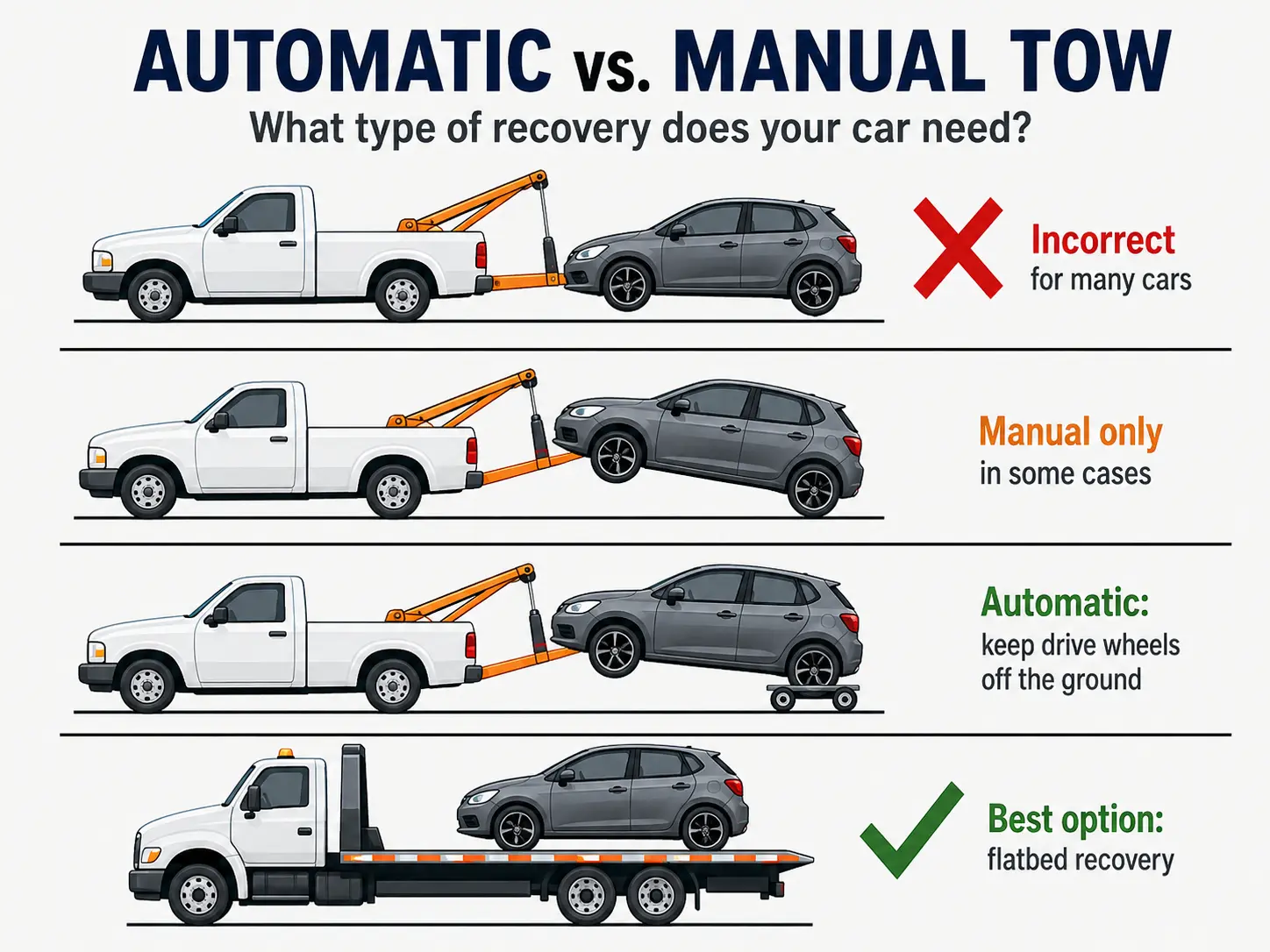
Choosing the wrong way to tow a car can turn a straightforward breakdown into an expensive gearbox repair. Automatic and...
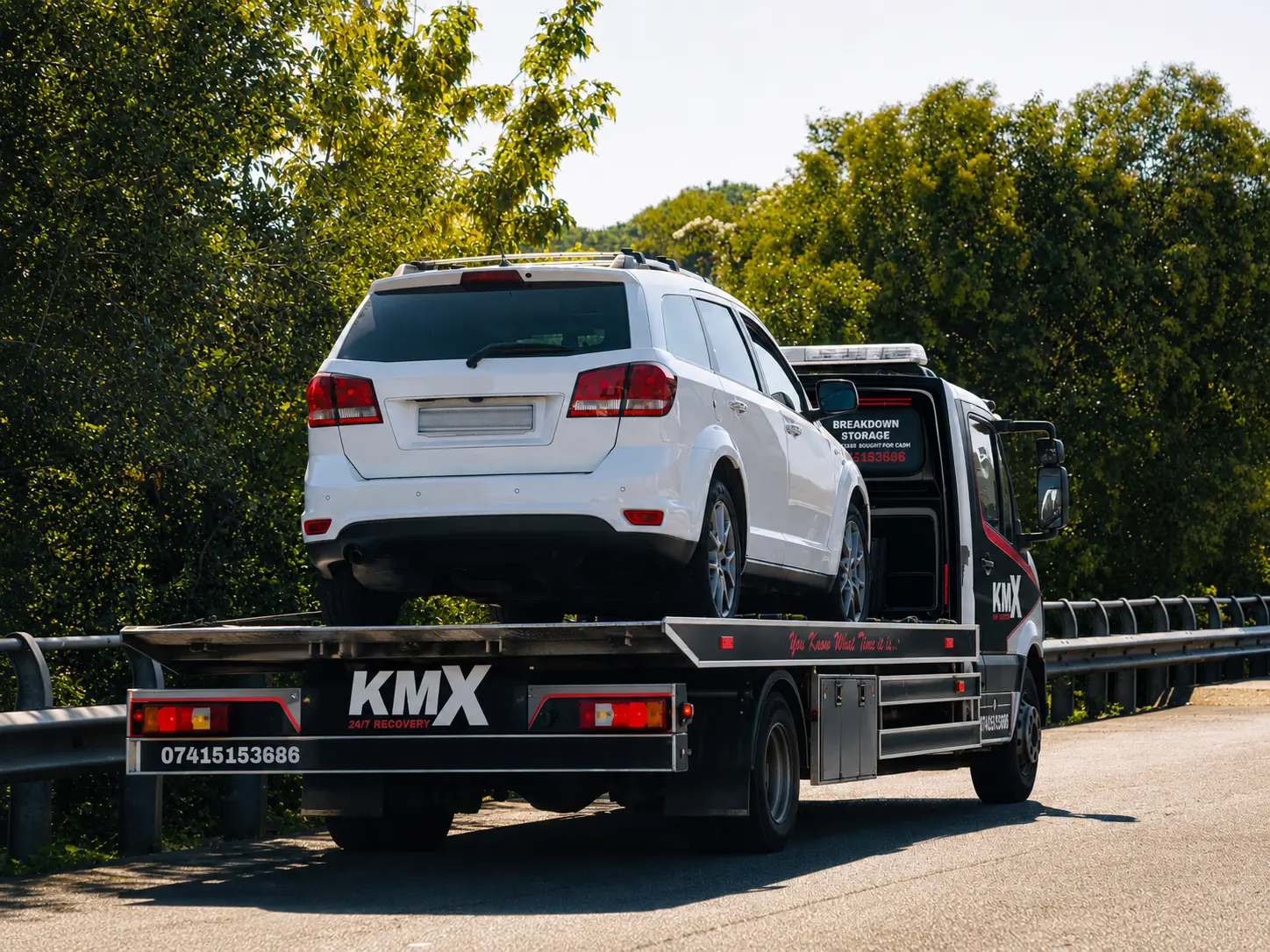
A vehicle breakdown can happen at the worst possible time, whether you are in Bury town centre, travelling towards Manchester...
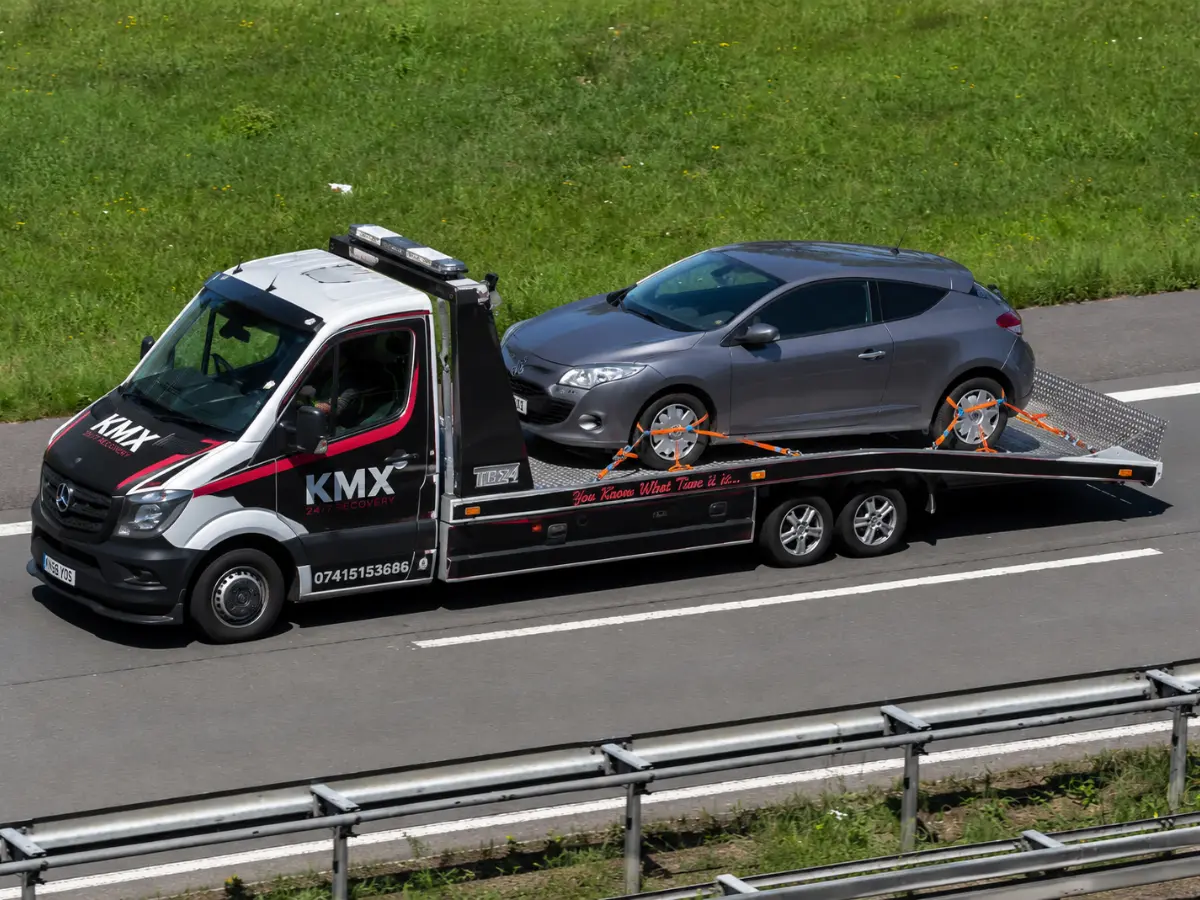
A breakdown is inconvenient at any time, but it can become far more stressful during a bank holiday when roads...
Get in touch with our friendly team whether you’re a car-trader or someone in need, we’re here to help!
0161 524 1047
hey@kmxrecovery.co.uk