

When your car breaks down on a high speed road, your immediate decisions can make a significant difference to your...
Few things are more frustrating than getting into your vehicle, turning the key, and realising your car won’t start. Whether you are heading to work, picking up family, or travelling long distance, unexpected starting problems can leave you stranded and stressed. Understanding the reasons why your car may fail to start can help you identify the issue quickly and decide whether you need a simple fix or professional help.
In this guide, we explain the most common causes of car not starting issues, what checks you can safely carry out yourself, and when to contact a breakdown cover provider to get back on the road.
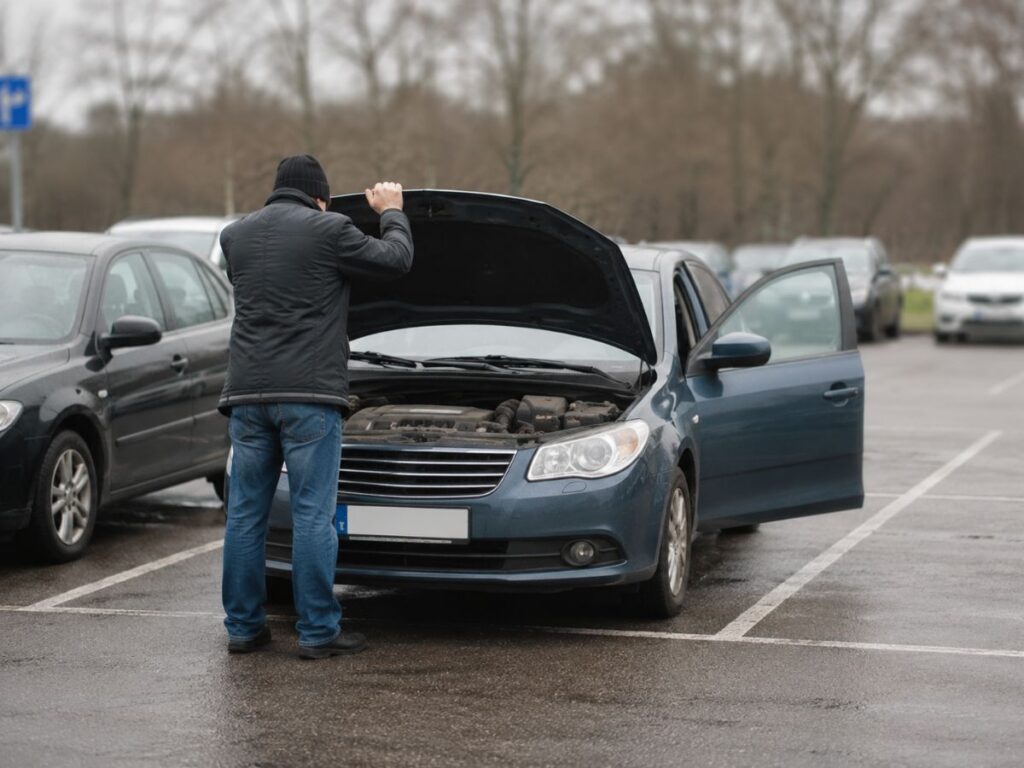
One common reason your car won’t start is a flat battery. Your car battery powers the ignition, lights, and starter motor, so if the battery is weak, the engine may fail to start completely.
If you turn the key and hear a clicking noise or notice the lights come on but the engine won’t turn over, the battery is often the issue. Cold weather, leaving headlights on, or alternator problems can drain the car’s battery faster than expected.
The starter motor is responsible for helping start the engine when you turn the key or press the start button. A problem with the starter motor can prevent your car from starting even if the battery is fully charged.
You may hear a loud click when you turn the ignition or hear a clicking sound without the engine engaging. If you hear a clicking noise repeatedly, this may point to a faulty starter or electrical fault that needs professional attention.
The ignition system plays a vital role in getting the engine running. If the ignition fails, the vehicle may not respond when you try to start the car.
Some drivers turn the key or key or press the start button and notice no motion when you turn the ignition at all. This can happen because of worn ignition components, wiring issues, or faults inside the steering column.
A worn spark plug can stop the engine from starting properly because it affects the combustion process inside the cylinders. Cars fail to start when fuel and air cannot ignite correctly.
If your engine struggles to start your car or might have trouble starting in cold conditions, the spark plug could be worn or dirty. Replacing old plugs can often improve reliability and help keep the car running smoothly.
The fuel filter and fuel pump help deliver fuel to the engine. If either component becomes blocked or damaged, the engine may fail to start or suddenly stop running.
A blocked fuel filter is another common reason your vehicle fails to start. Dirt and debris can restrict fuel flow, especially in older vehicles. In more serious cases, the fuel pump itself may stop the prevent the engine running entirely.
Modern vehicles rely heavily on electronics. A flat battery in the key fob or issue with the security system can prevent your car from starting even when the rest of the vehicle works normally.
If the car does not recognise your key, the immobiliser may stop the engine from starting. Sometimes the battery in your key fob simply needs replacing. If you suspect a flat battery in the key, try replacing the battery before calling for assistance.
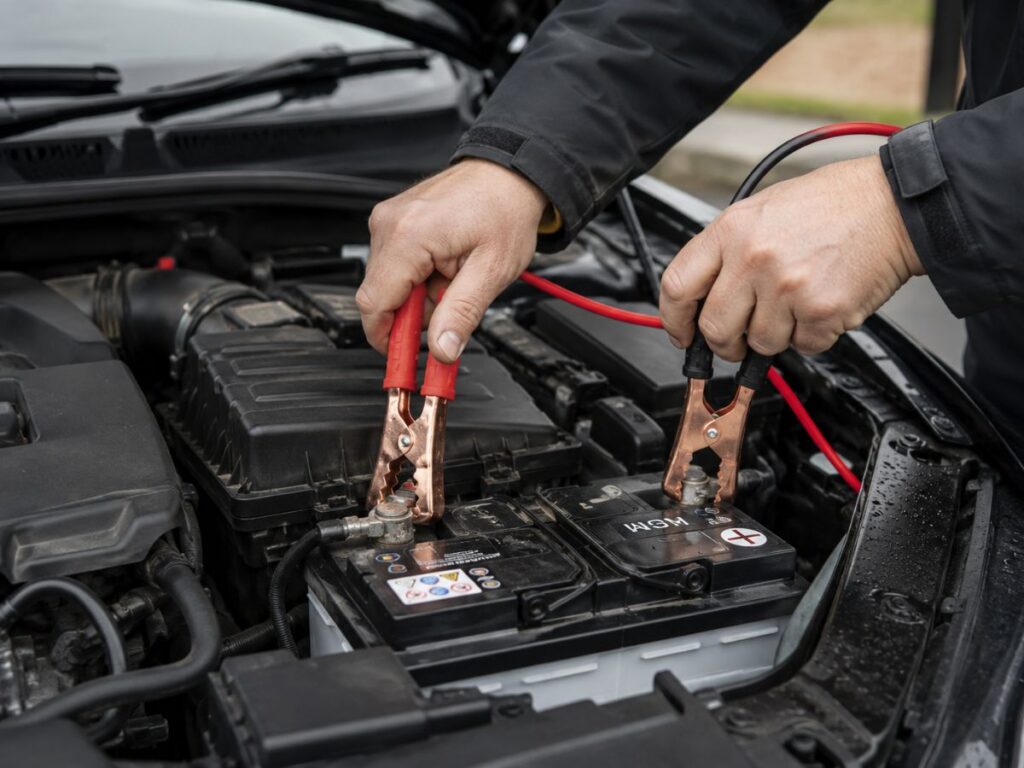
If the battery is the most common cause of the issue, a jump start may help get back on the road quickly. You can jump start your car using jump leads and another working vehicle.
Before you try and start the engine, make sure the jump leads to connect are attached correctly. Use a pair of jump leads carefully and follow safety guidance. After a jump start, allow the engine to run for several minutes after a jump start so the battery can recharge.
Sometimes the car starts initially but later won’t restart after being switched off. This often points to charging system issues or a battery may need replacing.
If you start the engine successfully but the car may stall shortly after, alternator problems could prevent the battery from charging properly. In this situation, replacing the battery alone may not fix the problem.
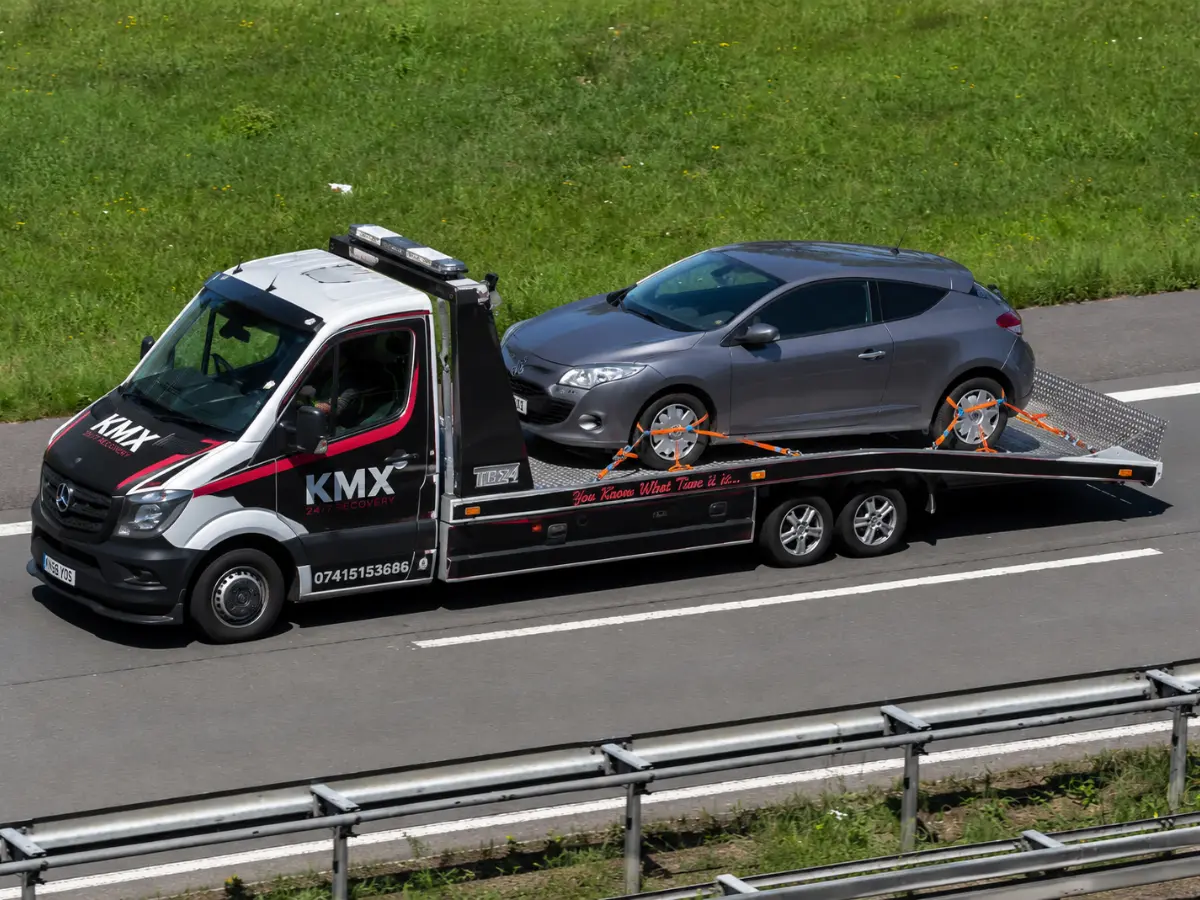
If your car that won’t start cannot be fixed safely at the roadside, contacting breakdown cover is usually the safest option. Professional technicians can diagnose faults and arrange recovery if needed.
Many breakdown cover policies include roadside assistance, battery support, and towing services. A good breakdown cover provider can help start a car safely or transport it to a garage for repair if the vehicle from starting issue is more serious.
Regular maintenance reduces the risk of trouble starting your car unexpectedly. Simple checks can prevent your car from starting issues before they become serious.
Keep the battery is fully charged, inspect the spark plug during servicing, and replace worn components early. If the lights come on dimly or the car’s running sounds weak, book an inspection quickly before the car won’t start entirely.
Understanding the reasons your car might not start can help you react calmly and avoid unnecessary stress. Whether the issue is a flat or faulty battery, damaged starter motor, or blocked fuel filter, early diagnosis makes repairs easier and cheaper.
If you are unsure about the reason your car refuses to start, avoid repeated attempts to start the car as this can damage components further. Reliable breakdown cover gives peace of mind and ensures you can get back on the road quickly when unexpected problems happen.
When your car breaks down on a high speed road, your immediate decisions can make a significant difference to your...
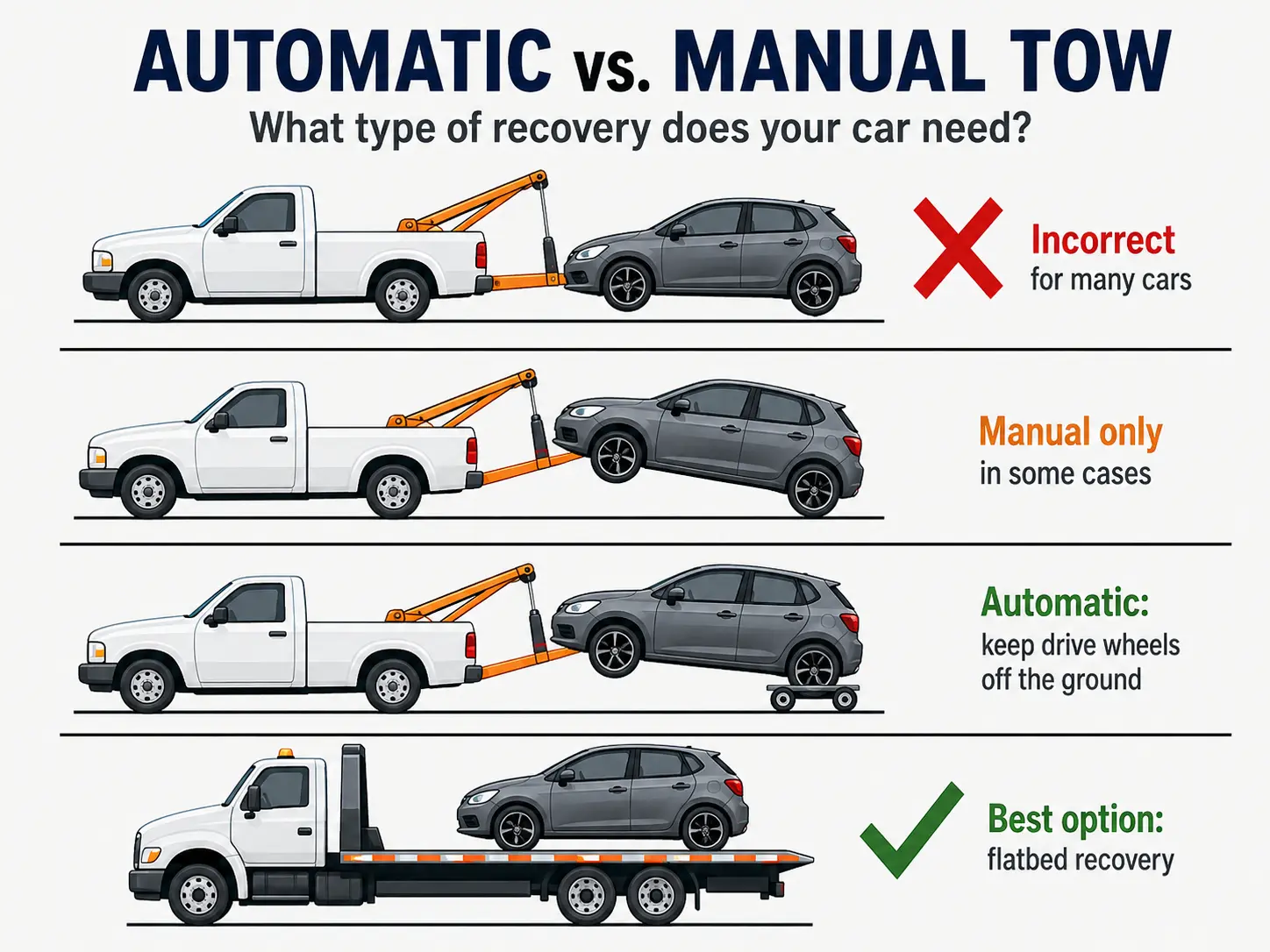
Choosing the wrong way to tow a car can turn a straightforward breakdown into an expensive gearbox repair. Automatic and...
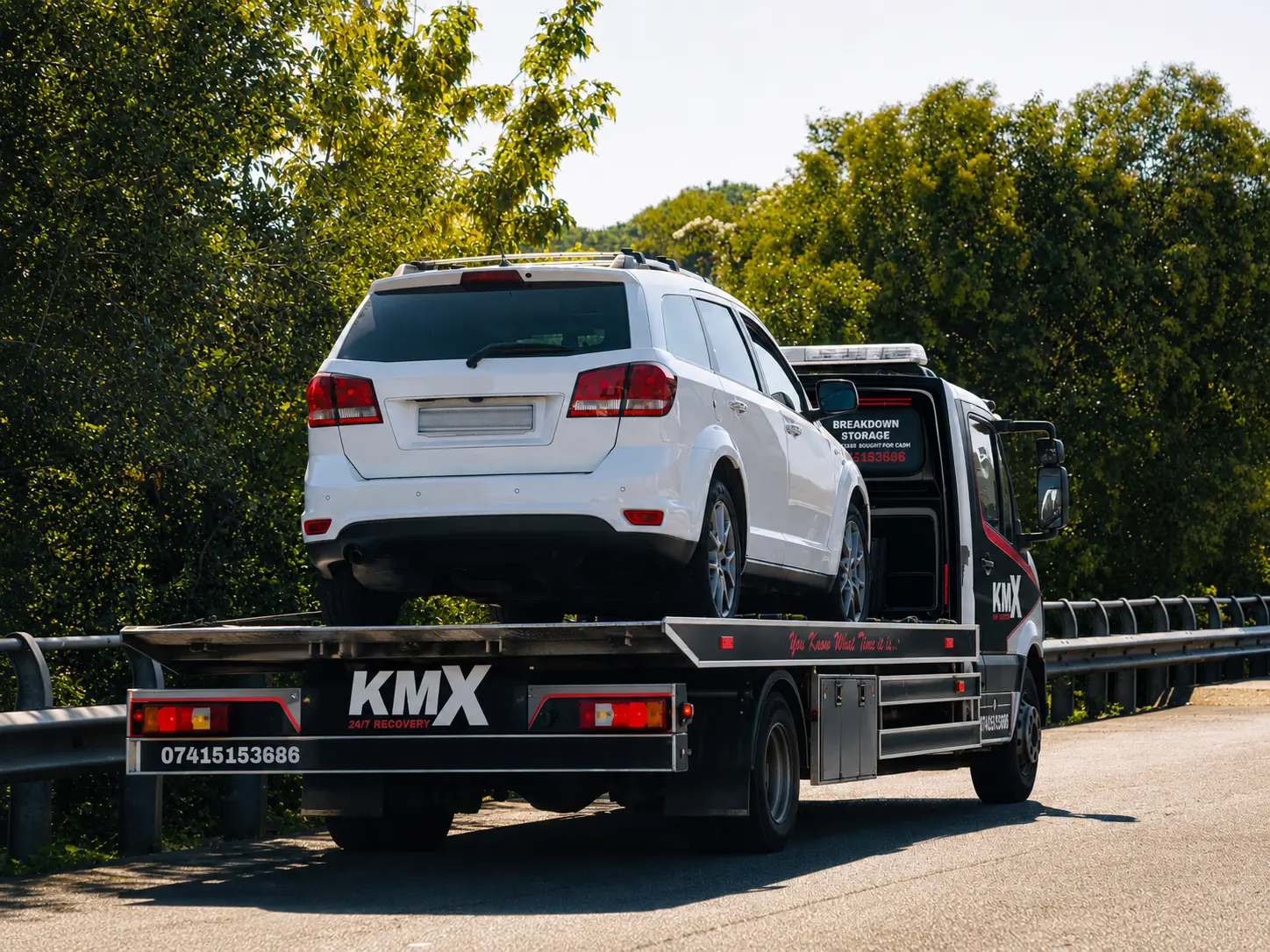
A vehicle breakdown can happen at the worst possible time, whether you are in Bury town centre, travelling towards Manchester...
A breakdown is inconvenient at any time, but it can become far more stressful during a bank holiday when roads...
Get in touch with our friendly team whether you’re a car-trader or someone in need, we’re here to help!
0161 524 1047
hey@kmxrecovery.co.uk