
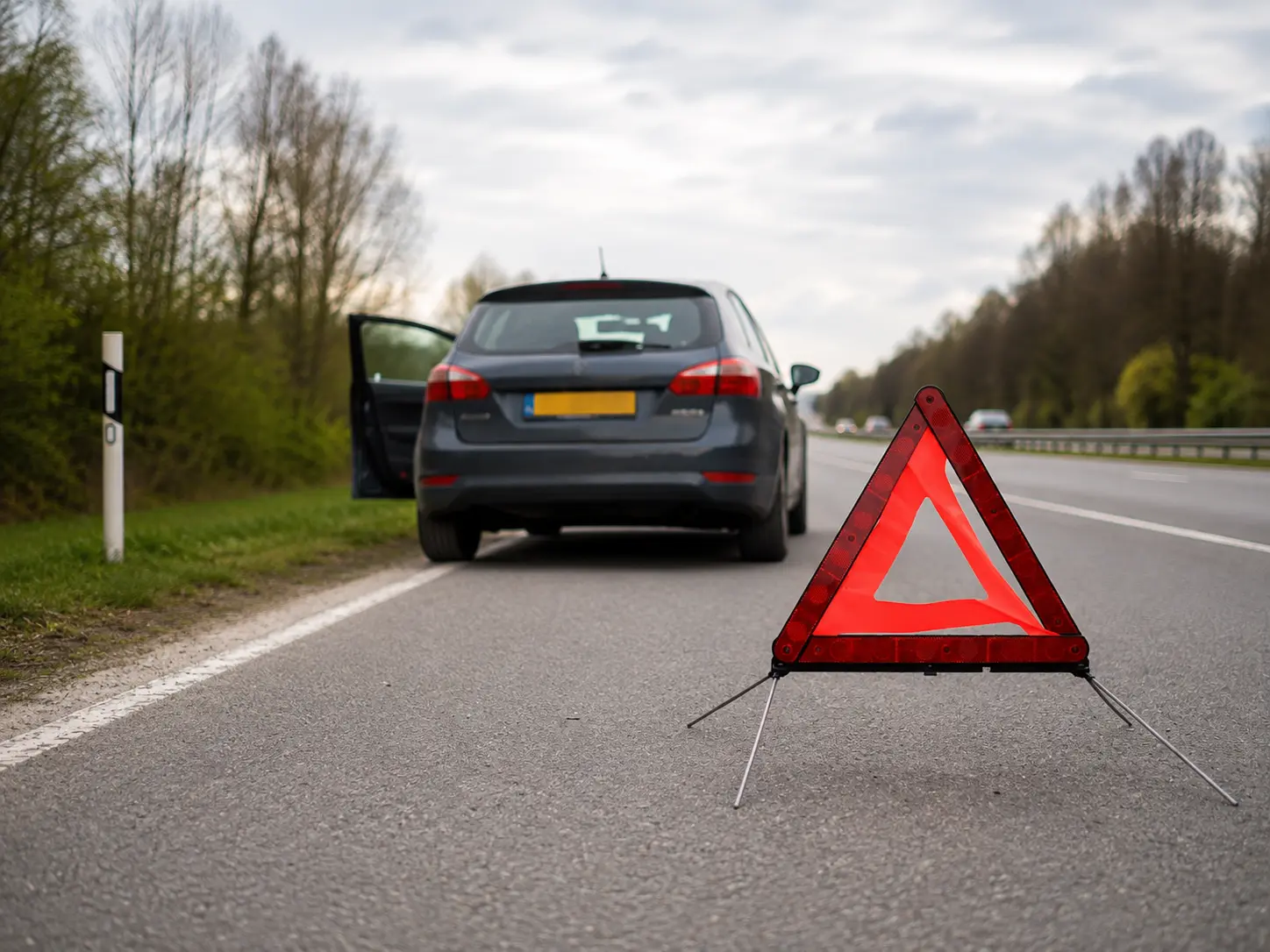
When your car breaks down on a high speed road, your immediate decisions can make a significant difference to your...
A warning light appearing on your dashboard can be worrying, especially if you are unsure whether it is safe to drive. Modern cars use a dashboard warning system to alert drivers about potential issues, from minor faults to serious safety risks. Understanding what each dashboard warning light means can help you react correctly, avoid serious damage, and stay safe on the road. This guide explains the most common car dashboard symbols and meanings, what to do when a warning light comes on, and whether you should continue driving or stop immediately.
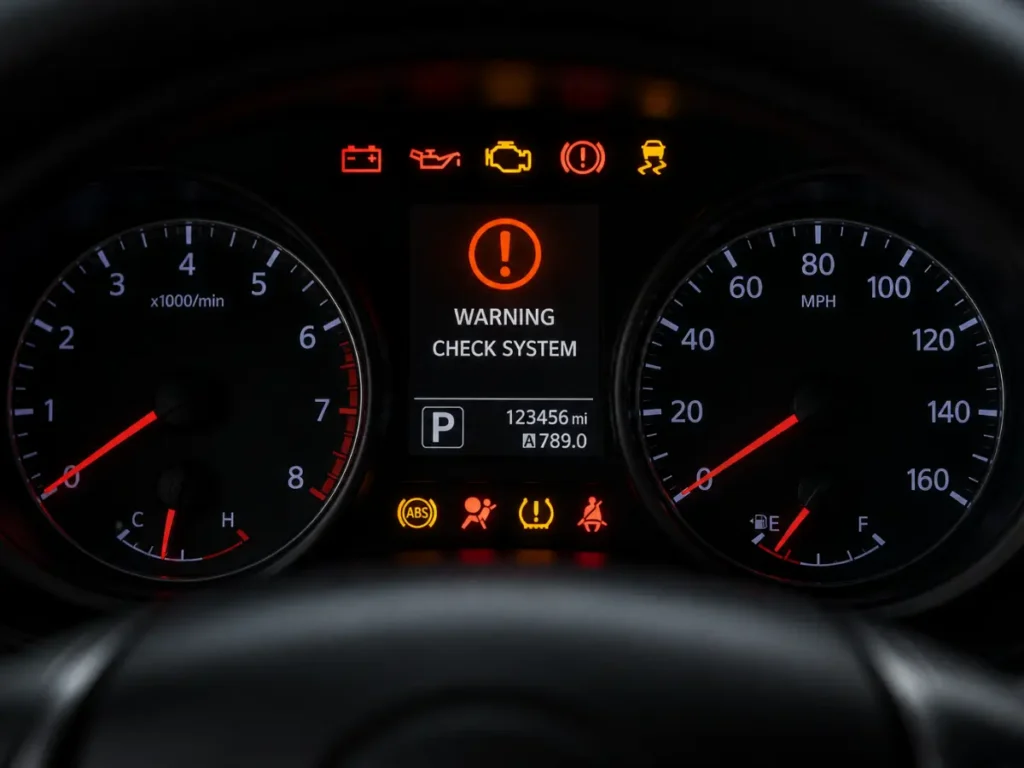
A warning light is your car’s way of telling you that something is wrong. When a dashboard warning light appears, it usually relates to a specific component such as the brake system, engine, or electrical system. These alerts are triggered by a sensor that detects irregular behaviour.
A dashboard warning can vary depending on the vehicle, but the goal is always the same. It helps prevent further damage and keeps you safe. When a warning light turns on, it is important to understand what it represents before deciding whether to continue driving.
When a warning light comes, the key question is whether it is still safe to drive. In some cases, it may be safe to continue, especially if it is a minor issue like a low tyre pressure warning light. However, other warnings mean it could be dangerous to drive.
If the warning light is also illuminated alongside unusual noises or performance issues, you should stop as soon as possible. Finding a safe place to pull over reduces the risk of further problems and protects both you and other road users.
Understanding the light colour is essential when assessing a warning light. A red warning usually signals a serious warning, meaning you should stop driving immediately. These often relate to the brake system warning light, oil pressure, or overheating.
A yellow warning light typically indicates a less urgent issue. While you may still be able to drive, you should take extra care and get it checked soon. Ignoring these warnings can lead to bigger problems if the issue worsens.
A brake warning light is one of the most critical signals on your dashboard. It may indicate a low brake fluid level, worn brake pads, or that the braking system has malfunctioned.
If the brake warning light or brake pad warning light comes on, it is essential to act quickly. A problem with the brake system could lead to reduced stopping power, making it unsafe to continue driving. Always check for a leak in the system or low brake fluid.
The engine management light, also known as the check engine light, can appear for many reasons. It could be something simple like a faulty sensor, or something more serious such as engine performance issues.
When the check engine warning light appears, the vehicle may still run normally. However, if the light comes back or starts flashing, it could indicate serious damage to engine components like the head gasket. In this case, it is best to stop and seek help.
The oil warning light is another signal you should never ignore. It usually relates to a low oil level or a drop in oil pressure, both of which can cause severe engine damage.
If the oil warning light appears, stop the car immediately and check the oil. Driving without sufficient lubrication can quickly damage internal engine parts. This is one of the few situations where it is not safe to drive at all.
A battery warning light often points to issues within the electrical system. This could involve the alternator, battery connections, or wiring faults.
If the battery warning light comes on while driving, your car may lose power over time. Although you might still be able to drive for a short distance, it is important to get it checked as soon as possible to avoid a complete breakdown.
An airbag warning light indicates a problem with the airbag system, which is a critical safety system. This warning means the airbags may not deploy correctly in an accident.
Although the car may still be drivable, the risk increases significantly. If the airbag warning light appears, it is best to have it inspected immediately to ensure your safety in case of a collision.
The engine temperature warning light or coolant temperature car warning light signals that the engine is overheating. This is often caused by low coolant levels or a fault in the cooling system.
Overheating can lead to severe engine damage if ignored. When this warning light comes on, stop the car and allow it to cool down. Driving while overheating is potentially dangerous and can cause permanent damage.
There are several other dashboard warning lights that drivers should be aware of. The ABS warning or ABS warning light is also important, as it affects braking stability. Issues with electronic brake force distribution or the ESP system can also impact control.
Other warnings, such as the power steering warning light or fluid warning, can make the car harder to control. Even if the issue seems minor, repeated alerts mean the warning light will come back on until the problem is fixed.
When your car breaks down on a high speed road, your immediate decisions can make a significant difference to your...
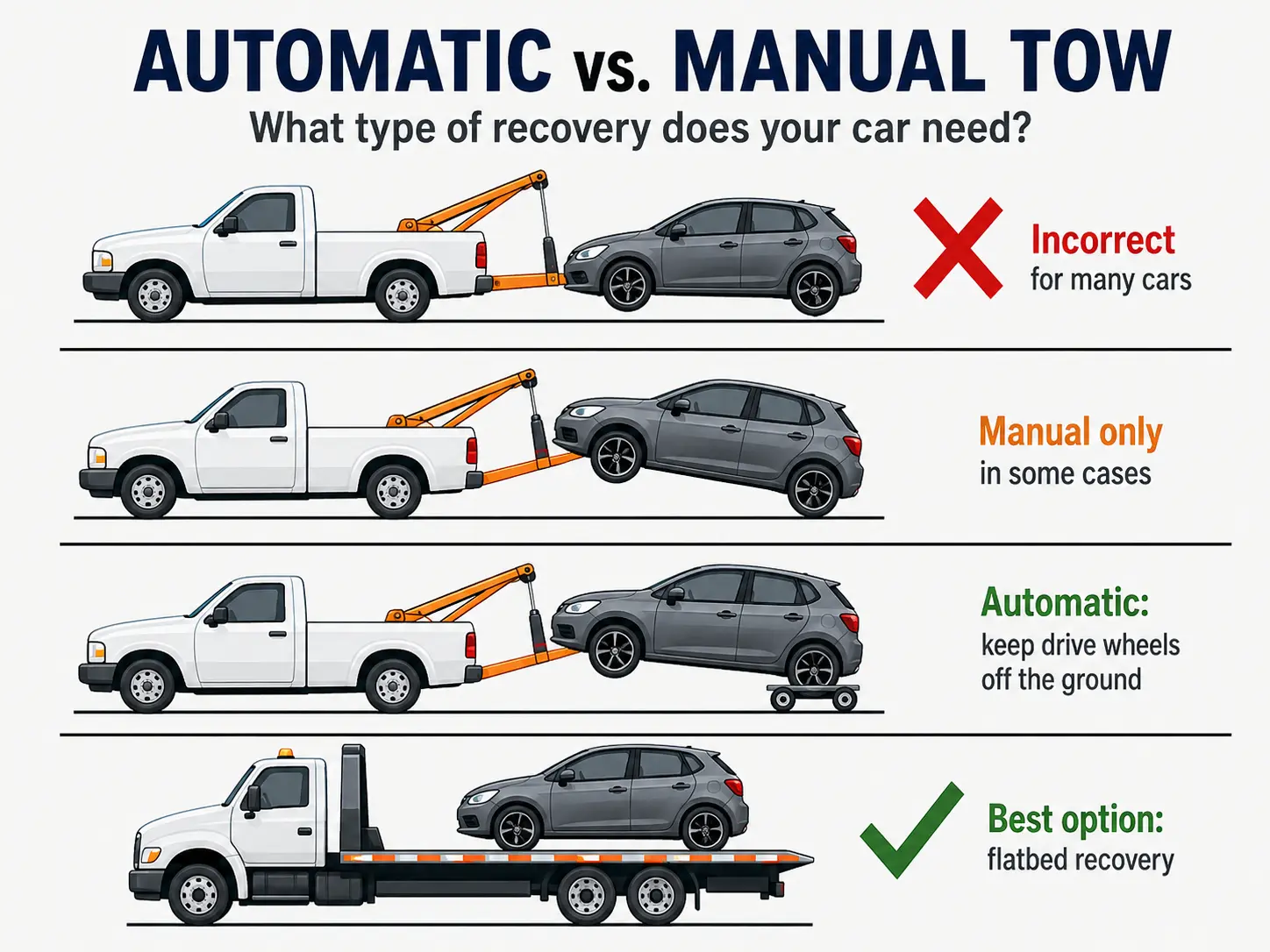
Choosing the wrong way to tow a car can turn a straightforward breakdown into an expensive gearbox repair. Automatic and...
A vehicle breakdown can happen at the worst possible time, whether you are in Bury town centre, travelling towards Manchester...
A breakdown is inconvenient at any time, but it can become far more stressful during a bank holiday when roads...
Get in touch with our friendly team whether you’re a car-trader or someone in need, we’re here to help!
0161 524 1047
hey@kmxrecovery.co.uk